

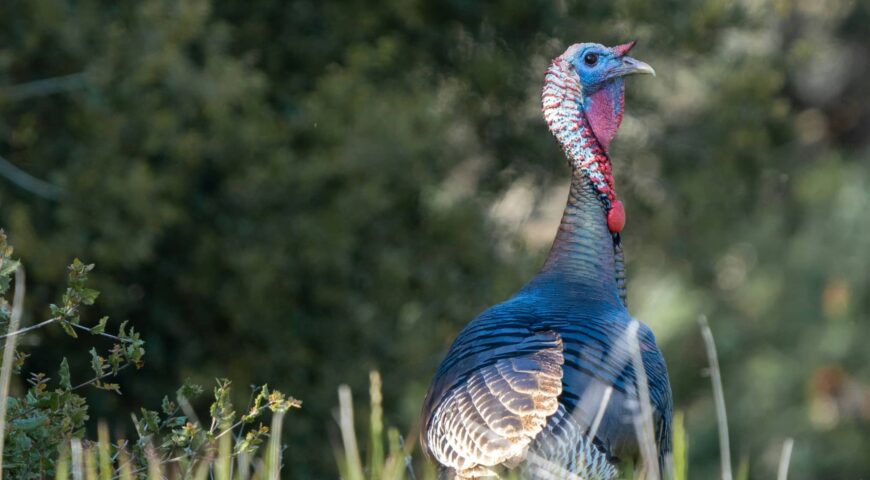
Late-Season Turkey Hunting: How to Kill a Gobbler When the Easy Ones Are Gone
How to Kill a Late-Season Gobbler When the Easy Ones Are Gone
The “easy” days of opening week are a memory. You know the ones—where you could sneeze and a tom would gobble from three different ridges, and all you had to do was sit against a tree and wait for him to commit suicide. However, late-season turkey hunting is here and it’s tough.
The woods are greening up, the bugs are out, and those same gobblers have been shot at, called to by every guy in the county, and are currently babysitting hens that won’t leave their side. If you’re still carrying an unpunched tag, you aren’t alone. But the game has changed, and if you keep hunting like it’s the opening morning of turkey hunting season, you’re going to be eating tag soup.
Late-Season Turkey Hunting With TrophyTracks
Everybody loves the fly-down. There’s nothing like hearing a bird break the silence of a crisp morning. But with late-season turkey hunting, the roost is often a trap.
Why? Because he’s almost certainly going to fly down right into the lap of a hen. If you try to get too close, the thickening foliage (which is great for hiding) also makes it easier for you to step on a stick or get busted by a bird you didn’t see.
Late-Season Turkey Hunting Strategy #1
Sleep in. Seriously. Or at least, don’t stress the first hour. Most mid-season birds get killed between 10:00 AM and 2:00 PM. This is when the hens leave the gobblers to go lay eggs or sit on nests. That lonely longbeard who was “henned up” early this morning is now looking for company after lunch.
TrophyTracks Edge: Check your TrophyPredict forecast with TrophyTracks PRO. Look for that mid-day spike in movement probability. Often, you’ll see a secondary window of high activity around noon. That’s your green light to be in the woods when everyone else is heading to lunch.
By now, the obvious fields and easy-access ridges have been hammered. Turkeys aren’t stupid—they’ve moved to the “in-between” spots. These are the secondary benches, the thick creek bottoms, or that weird little corner of pines you usually walk right past.
Late-Season Turkey Hunting Strategy #2
Stop looking for the biggest field. Look for the spots where hens want to nest. Hens need cover and proximity to water. If you find the hens, the gobblers will eventually show up.
TrophyTracks Edge: Pull up your heat maps. Look at where you’ve logged observations over the last few years, either in turkey scouting or hunting journals during this specific week. Are you seeing a trend where birds shift away from the big oaks and toward the thicker edge cover as the canopy fills in? Your own data will tell you exactly where the “quiet” zones are.
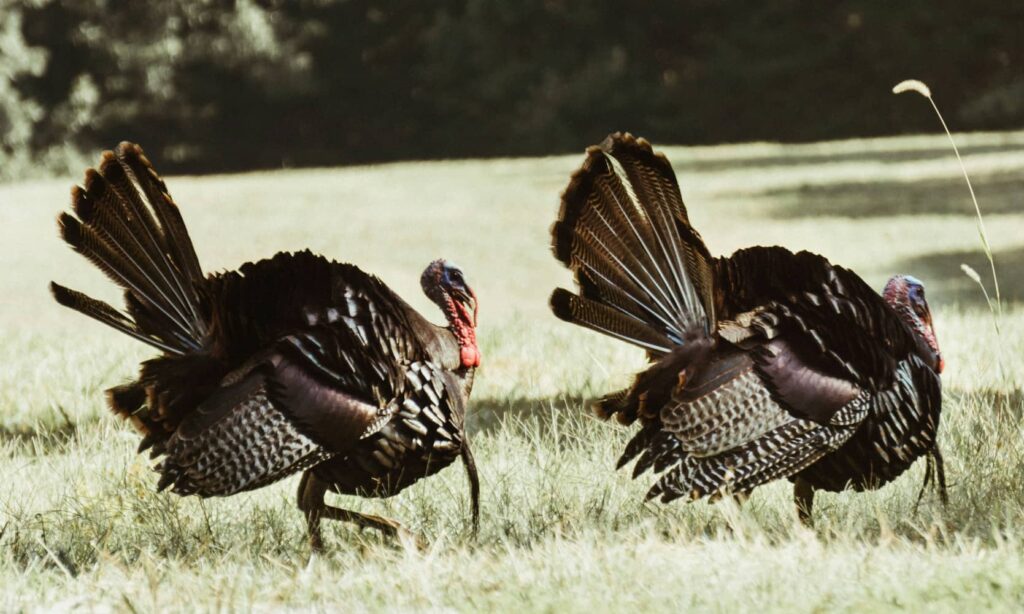
Opening week, you can get away with aggressive cutting and loud yelping. However, in the late season, that’s a great way to make a pressured bird walk the other way. He’s heard it all. He knows what a plastic diaphragm sounds like when it’s being overworked.
Late-Season Turkey Hunting Strategy #3
Soften up. Use a slate or glass pot for those subtle, realistic purrs and clucks. This is when having the best turkey calls on the market matters. Although the best call sometimes is no call at all. A gobbler knows where you are if you call once, shut up, and wait him out. Let his curiosity do the work.
TrophyTracks Edge: Search historic hunting journals to find past successful turkey hunts. Review your observations and notes to see what type of calling yielded results.
Late April weather is a roller coaster. For instance, you have thunderstorms, sudden cold snaps, and those 80-degree humid days. Each one changes how turkeys move.
Late-Season Turkey Hunting Strategy #4
Plan your turkey hunts on optimal days. Some days are more productive than others. If you have limited time during the late season, focus on prime weather days where birds will be active and receptive to increase your success rate.
TrophyTracks Edge: Use the 7-day hunt outlook. It breaks down the wind direction and barometric pressure hourly. Barometric pressure is a huge factor in turkey activity. If you see the wind shifting from north to west at 11:00 AM, you can use your offline maps to plan a move to a new spot that’ll be protected before the birds even get there. In addition, the forecast can show you changing positive windows in barometric pressure to target for peak turkey activity.
Bonus Turkey Hunting Tip for Late-Season Birds
We talk a lot about “AI” in hunting, but at TrophyTracks, the AI is actually just a very smart version of your own brain.
Every time you see a bird, hear a gobble, or find fresh sign, log it. Don’t just “make a mental note.” By late season, you should have a few weeks of data from this year and hopefully years of data from previous seasons.
TrophyRecall in the hunting app looks at the current weather (say, 65 degrees, overcast, light SW wind) and matches it against every successful hunt or observation you’ve ever logged in those same conditions. It’s not guessing; it’s showing you what actually happened on your property.
To wrap up, late-season turkey hunting isn’t about being the loudest caller or having the flashiest gear. It’s about being the smartest hunter in the woods. It’s about knowing when to stay home and when to be sitting against an oak tree at late in the afternoon while the wind is whipping.
The easy birds are in the freezer. The smart ones are still out there. Go get ’em.
Download TrophyTracks on iOS or Android today and start hunting smarter.